What Slowing Down With a Camera Taught Me
 By Daniel Morris
I did not start paying attention to photography tips because I wanted better photos. I started because I noticed something uncomfortable about my weekends. They felt rushed in the same way my workdays felt rushed. I would wake up already thinking about what I needed to finish. I would move from one thing to the next without really being present for any of it. Even the things I was supposed to enjoy felt like tasks.
I work as a project manager, and my brain is trained to look for efficiency. Timelines. Dependencies. What can be done faster. That mindset works at my job, but I started to realize it was bleeding into places where it did not belong. I would skim articles, try advice once, then move on. I did the same thing with photography. I would read suggestions, go out with my camera, take a few shots, and head home without really knowing what I had changed or why.
At some point, I came across tips that did not feel like instructions. They felt more like permission to stop. Advice about light and timing that suggested waiting instead of adjusting settings over and over. Suggestions that did not promise better results right away. They asked me to notice what was already there. That felt strange at first. Waiting does not feel productive. Standing still with a camera can feel like doing nothing.
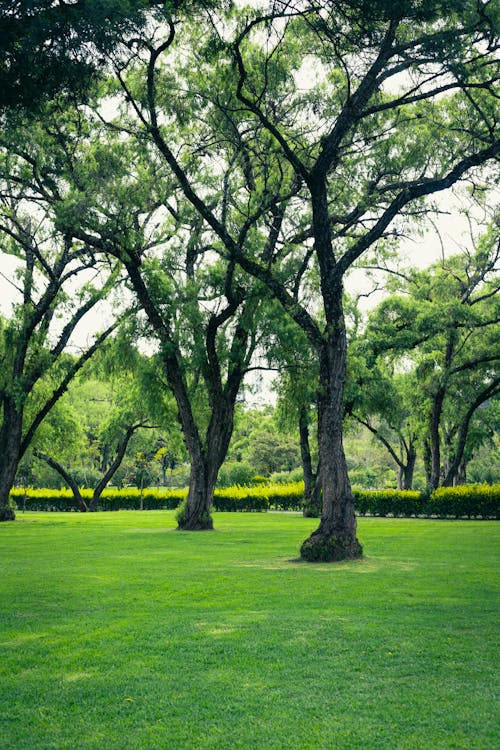
The first time I tried it, I went to a park near my apartment. I told myself I would take fewer photos. Not better ones. Just fewer. I picked a spot and stayed there longer than felt normal to me. I watched how the light moved across the path. I noticed when people walked through and when it emptied out. I realized how uncomfortable I was with not constantly moving.
Something shifted during that afternoon. I cannot point to a single moment. It was more like a slow release. I stopped checking the time. I stopped thinking about what I should be doing next. The camera stopped feeling like a tool and started feeling like an excuse to stay put. I took fewer shots, but each one felt more intentional, even if it was not technically better.
Over the next few weeks, I noticed that this patience carried into other parts of my life. I stopped trying to optimize every free moment. I left space between tasks. I allowed myself to linger instead of rushing to the next thing. The photography tips that stayed with me were not about gear or settings. They were about attention. About letting moments unfold without forcing them.
Photography became a way for me to practice restraint instead of control. That was not something I expected. I thought I was learning how to take pictures. Instead, I was learning how to slow down without feeling guilty about it. I was learning that not every moment needs to be improved or captured perfectly. Some moments just need to be noticed.
After that park visit, I tried to carry the same approach into other weekends. Not every outing turned into something meaningful. Some days were dull. Some felt wasted. That was new for me. I was used to measuring success by output. Photos taken. Tasks finished. When that stopped being the goal, I felt a little unsteady, like I had removed a railing I leaned on without noticing.
I also noticed how often I wanted quick reassurance. I would look at the screen after every shot. Zoom in. Check sharpness. Decide if it was good enough. When I forced myself to wait, the urge did not disappear. It just got louder for a while. That surprised me. I thought patience would feel calm right away. Instead, it felt awkward and slightly irritating before it felt natural.
One Saturday morning, I went out earlier than usual. The light was flat and gray. Normally I would have stayed home and waited for better conditions. Instead, I walked anyway. I paid attention to small things. Damp pavement. The sound of traffic waking up. A coffee cup left on a bench. I did not try to turn any of it into something impressive. I just stayed with it.
That morning taught me something I did not expect. Waiting is not passive. It takes effort to stay present without constantly adjusting or fixing. It is easier to keep moving. Easier to distract yourself. Standing still with a camera made me confront how uncomfortable I am with not doing something productive.
At work, I am rewarded for solving problems quickly. For keeping projects on track. For anticipating issues before they show up. That skill set does not turn off automatically on weekends. I realized I was treating my time off like a series of deliverables. Photography exposed that habit because it refused to cooperate. You cannot rush light. You cannot force a moment to happen on your schedule.
I started leaving the house with fewer expectations. I would tell myself I might come back with nothing, and that had to be acceptable. Some days, I did come back with nothing. No photos I cared about. No clear takeaway. Just time spent. That felt like failure at first. Then it started to feel like relief.
I also stopped chasing variety. I used to think I needed new locations to stay interested. New angles. New scenes. Once I slowed down, familiar places became enough. I saw how the same park changed hour to hour. How shadows stretched differently depending on the season. How people moved through the space without noticing it.
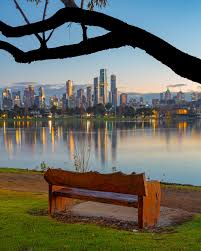
There was one bench I kept returning to. It overlooked part of the city, just enough to remind you it was there. I sat there longer than made sense. I watched people pause and then move on. I noticed how often I used to do the same thing without thinking. Sit briefly. Check my phone. Leave.
Without trying to, this way of working with a camera started to affect how I handled other parts of my life. I listened more carefully in conversations. I interrupted less. I stopped jumping to conclusions as quickly. I was not calmer in a dramatic way. Just less hurried. Less convinced that everything needed immediate improvement.
I still read the tips for photographers now and then, but I am more selective. I skip anything that promises fast results. I look for advice that asks me to pay attention instead of adjust. The ones that remind me to wait. To notice. To accept that some things only show themselves when you stop trying to control them.
I am not sure I would have learned any of this without a camera in my hands. It gave me a reason to slow down that felt acceptable. A purpose that justified standing still. Over time, I realized I was not just learning how to take photos. I was learning how to give moments space to exist without needing to shape them.
As weeks passed, I noticed how my relationship with advice itself was changing. I used to collect suggestions the way some people collect bookmarks. I rarely returned to them. With photography tips, I started revisiting the same few ideas instead of chasing new ones. I realized repetition mattered more than novelty. Doing the same thing slowly taught me more than trying ten different approaches once.
There was a point where I stopped bringing my camera on every walk. That surprised me. Early on, it felt necessary, like I might miss something important if I left it behind. Later, I understood that the camera was not the point anymore. The habit of paying attention stayed even when the camera did not. I noticed light in grocery store parking lots. Reflections in office windows. The way people slowed down near crosswalks without realizing it.
One afternoon after work, I took a longer route home on purpose. It was not scenic. Just a stretch of sidewalk I usually hurried through. I noticed how the sun hit one building and skipped another. I caught myself waiting at a corner longer than needed, just watching. That small pause felt familiar in a good way. Like something I had practiced.
I used to think patience was a personality trait. Something you either had or did not. Photography taught me it is more like a muscle. Awkward at first. A little sore when you use it. Stronger if you return to it regularly. The early discomfort made sense in hindsight. I was interrupting years of habits built around speed and efficiency.
I also became more honest about why I wanted better photos in the first place. Part of it was validation. Wanting something to show for my time. Wanting proof that I had used my weekend well. Letting go of that was uncomfortable. It forced me to sit with the idea that time does not always need a visible result.
There were days when I went out planning to practice and came back annoyed. The light did not cooperate. People were everywhere. Nothing lined up the way I hoped. Those days used to send me back online searching for fixes. Better settings. Better tricks. Now I recognized that urge and let it pass. Not every day needed to be productive. That was a lesson I had avoided for a long time.
I started to notice how often I rushed conversations the same way I rushed photos. Finishing sentences in my head. Steering discussions toward outcomes. Slowing down with a camera made me more aware of those habits. I practiced waiting in conversations too. Letting silence stretch a bit. Not filling every gap.
At work, I am still a project manager. Deadlines still matter. Decisions still need to be made. But I found myself less reactive. More willing to pause before responding. That did not slow projects down in the way I feared. If anything, it reduced unnecessary corrections later. Waiting a moment often saved time in the long run.
When people ask me what kind of photography I do, I struggle to answer. I am not chasing a style. I am not building a portfolio. I am using photography as a reason to slow myself down in a world that constantly pushes speed. The tips that helped me most were not dramatic. They were quiet reminders to notice what was already happening.
I still rush sometimes. I still skim when I am tired. Old habits do not disappear completely. But now I catch myself sooner. I notice the tension that comes with trying to optimize everything. Photography gave me a way to practice restraint without framing it as a personal flaw. It made patience feel like a skill instead of a weakness.
Looking back, I see that I was never really looking for better photos. I was looking for permission to slow down. Everything I learned was a doorway that made that possible. They gave me a reason to wait, to notice, and to let moments exist without needing to improve them.
By this point, photography had settled into my routine without announcing itself. It was no longer something I scheduled. It happened when it happened. A walk that ran long. A stop that turned into sitting for a while. I stopped thinking about outings as successful or unsuccessful. That language faded on its own.
I noticed how often I used to chase improvement instead of experience. With photography tips, I used to look for progress I could measure. Sharper images. Better composition. More consistent results. When that stopped being the focus, improvement still happened, just quietly. I trusted my instincts more. I hesitated less before taking a shot. I also walked away more easily when nothing felt right.
There was a stretch of time where I photographed the same corner of the same park over and over. Different days. Different light. Sometimes nothing changed in any obvious way. Other times, everything felt different for reasons I could not explain. I stopped trying to name those differences. I just noticed them.
That habit of noticing without labeling carried into unexpected places. Meetings. Commutes. Even waiting in line. I became aware of how quickly my mind tried to categorize moments as useful or wasted. Slowing down with a camera made that impulse easier to spot. Once I noticed it, I did not always obey it.
I used to feel restless when I had nothing to show for my time. An empty memory card would have bothered me. Now it did not. Sometimes the act of being there was enough. Sometimes the memory mattered more than the image. That shift felt subtle but important.
I also stopped explaining my photography to myself. Early on, I needed a reason. Practice. Learning. Improvement. Those reasons made the time feel justified. Over time, they fell away. I went out because I wanted to. That was enough.
At work, I started noticing when I rushed decisions simply to feel finished. That urge used to feel responsible. Decisive. Now I recognized it as discomfort with uncertainty. Photography had taught me that waiting does not mean indecision. It can mean attention.
There were moments when colleagues filled silence quickly, and I let it happen. I did not rush to resolve everything. I listened more carefully. Sometimes the better idea surfaced on its own when I stopped forcing direction. That felt familiar in the same way waiting for light felt familiar.
I also became less attached to outcomes. That was new for me. I had built much of my identity around competence and follow-through. Letting moments exist without needing to extract value from them felt risky at first. Over time, it felt steady.
Photography gave me a way to practice that detachment in a low-stakes space. If nothing happened, nothing was lost. That safety made it easier to carry the mindset elsewhere. I did not have to be perfect. I did not have to optimize every situation.
I still enjoy reading tips people recommend on taking photos. But my relationship to them has changed. I am no longer looking for shortcuts. I am looking for reminders. Reminders to wait. To notice. To accept that some things reveal themselves only when you stop trying to manage them.
If someone had told me earlier that slowing down would make my life feel fuller, I probably would not have believed them. It sounded abstract. Photography made it concrete. It gave me a practice that fit into my life instead of demanding more from it.
The camera became less important over time. The habit stayed. I notice more now, even without trying. I pause more often. I leave space. That change did not come from discipline or self-improvement plans. It came from standing still long enough for moments to show up on their own.
By the time I realized this way of moving through my days had settled in, it no longer felt like a change I was actively making. It felt more like something I had stopped doing. I stopped rushing moments that did not ask to be rushed. I stopped filling every gap with activity. That absence created room I did not know I needed.
I used to think slowing down meant falling behind. That if I paused too long, I would miss something important. Photography challenged that belief in small, steady ways. I missed fewer things by waiting. I noticed more by staying put. The fear of falling behind softened when I saw how much I had been overlooking.
There were afternoons where nothing dramatic happened at all. No great light. No interesting movement. Just time passing. Those afternoons used to feel empty to me. Now they felt neutral, even grounding. I learned that not every experience needs to stand out to be meaningful.
I also became aware of how often I used distraction to avoid stillness. Checking my phone. Adjusting settings that did not need adjusting. Moving on before I felt finished. When I resisted those habits, discomfort showed up first. Then calm followed. Not immediately. But reliably.
This shift did not make me less ambitious. It made my ambition quieter. I cared less about squeezing everything into limited windows of time. I focused more on showing up fully for whatever I was already doing. That applied to work, relationships, and time alone.
One evening, I realized I had left my camera at home and did not feel disappointed. I still walked. I still waited at corners. I still noticed light changing on buildings. That was when I understood the practice had moved beyond the tool. The camera had been a teacher, not a requirement.
I stopped labeling moments as productive or unproductive. That habit had been deeply ingrained. It took time to loosen. Photography gave me a neutral space where nothing was demanded. I could observe without judging the experience or myself.
At work, this translated into fewer rushed decisions and fewer reactive emails. I paused more before responding. I listened longer before offering solutions. I noticed that calm often created clarity on its own. That was something no efficiency trick had ever delivered.
There were still days when I fell back into old patterns. I rushed. I skimmed. I filled space unnecessarily. But those days no longer felt like failure. They felt familiar. Temporary. I knew how to return to waiting when I needed to.
Photography taught me that attention is a choice you practice, not a trait you either have or lack. The tips that mattered most did not promise improvement. They invited patience. They asked me to notice what I usually passed by without seeing.
I sometimes think about how easily this lesson could have been missed. If I had treated photography like another skill to master quickly, I might have rushed past the part that mattered. Slowing down was not the outcome. It was the method.
That realization continues to shape how I move through my life. I leave more space now. I wait more often. I trust that not everything needs immediate attention. Photography opened that door quietly, without demanding change. I simply stepped through and stayed longer than I planned.
I have started to notice how often people apologize for slowing down. I do it too. I catch myself explaining pauses as if they need justification. Photography quietly changed that for me. Standing still with a camera gave me a reason to wait that did not feel lazy or indulgent. Over time, I stopped needing the excuse.
There are days when I leave the house without a plan at all. No destination. No checklist. I walk until something holds my attention, or until nothing does. That used to bother me. Now it feels honest. Not every outing needs a result to count.
I still remember how I used to skim photography tips the same way I skimmed everything else. Looking for something quick. Something that would promise improvement without asking much in return. The ones that stayed with me were quieter. They did not promise anything. They asked me to slow down and notice what was already happening.
What surprised me most was how much resistance I had to that idea. Slowing down felt uncomfortable at first. It brought up restlessness I usually avoided by staying busy. Waiting forced me to sit with that feeling instead of distracting myself from it.
I began to understand how often I filled time simply to avoid stillness. Checking my phone. Moving locations. Adjusting things that did not need adjusting. When I stopped doing that, moments stretched out in unfamiliar ways. Some felt boring. Some felt peaceful. Both were useful.
The camera stopped being about capturing something and started being about staying with something. A patch of light. A sound in the distance. A bench that felt like a good place to sit longer than planned. I let moments pass without interrupting them.
That patience spilled into other parts of my life without effort. Conversations slowed. I listened more closely. I stopped rushing to respond. Silence stopped feeling awkward and started feeling informative. It gave people space to finish their thoughts instead of being pulled along.
At work, I noticed how often urgency was self-created. How quickly we filled space with decisions just to feel finished. Waiting a little longer did not make me less capable. It made my choices steadier. I felt less reactive and more present.
I still enjoy photography, but I no longer chase improvement the way I once did. I am not trying to master anything. I am practicing attention. I am practicing restraint. I am practicing being where I am without needing to turn it into something else.
Looking back, I see that photography offered me a way to change my pace without forcing a transformation. It slipped into my life gently. It asked very little. Just that I slow down long enough to notice. That turned out to be more than enough.
I have also noticed how this slower way of paying attention has changed what I expect from myself. I used to feel like every interest needed a purpose. Something measurable. A reason I could explain if asked. Photography helped loosen that grip. I did not need to justify why I was standing still or why I stayed longer than planned.
There is a kind of relief in not needing to make everything efficient. I feel it when I walk without counting steps. When I sit somewhere longer than feels productive. When I let an afternoon stretch instead of filling it. That relief took time to trust. At first, it felt like I was doing something wrong.
I still remember the mindset I had when I started. I wanted results. Better images. Clear progress. I searched for tips with that same expectation, hoping something would unlock improvement without asking me to change how I moved through time. What I found instead was an invitation to slow down, which felt almost backward.
That backward feeling was important. It forced me to question how I define progress. I realized how often I confuse movement with meaning. Just because I am busy does not mean I am present. Photography gave me a way to separate those two ideas.
There are moments now when I catch myself reaching for my phone out of habit. A reflex to fill silence. Sometimes I still do. Other times I pause and let the moment stay empty. That choice feels small, but it changes the tone of the day.
I have learned that waiting does not always lead to something visible. Sometimes nothing happens at all. No photo. No insight. No story to tell later. Those moments used to frustrate me. Now they feel honest. Not every experience needs to turn into something else.
I notice details I once rushed past. The way shadows soften toward evening. The way people slow slightly before crossing a street. The way light sits on buildings differently depending on the season. These things were always there. I just was not giving them time.
This practice has also made me more forgiving of myself. I am less harsh when I feel tired or unfocused. I no longer try to power through everything. If I need to stop, I stop. If I need to wait, I wait. That permission carries a quiet strength.
At work, I still manage projects and deadlines. That has not changed. What has changed is how I experience the space between tasks. I no longer treat those gaps as problems to solve. They are part of the rhythm. They give shape to the work instead of interrupting it.
Photography did not fix anything in my life. It did not simplify it or make it easier. What it did was give me a way to notice how I move through my days. Once I saw that clearly, I could choose when to slow down instead of being pulled forward by habit.
I am still learning. I still rush sometimes. But now I know what it feels like to wait. I know how grounding it can be. Photography gave me that experience gently, without demanding change. It simply showed me another pace was possible.
There are moments now when I notice the shift happening in real time. I feel the urge to hurry, and I also feel the option not to. That pause is new. It gives me a choice I did not realize I was missing. Before, momentum decided everything. Now attention gets a vote.
I think about how often I used to measure my weekends by how much I accomplished. Errands done. Places visited. Tasks crossed off. Slowing down changed that metric quietly. Some weekends feel full even if nothing obvious happened. Others feel thin despite being busy. I trust that difference more than I used to.
I still read tips on photography now and then, but I approach them differently. I am less interested in what to fix and more interested in what to notice. Advice that asks me to wait or observe longer tends to stay with me. Anything that promises speed loses my attention quickly.
There is a small park I return to without planning. I do not tell myself why. I walk until I end up there. Sometimes I sit. Sometimes I walk through. Sometimes I leave right away. The lack of intention feels intentional in its own way. It gives me room to respond instead of decide.
I have learned that boredom is not the enemy I thought it was. When I let it linger, it softens. It turns into curiosity or calm. Rushing was my way of avoiding that space. Photography made it safe to stay there long enough for something else to appear.
This has changed how I handle uncertainty too. I am less desperate for answers. Less rushed to close loops. I can sit with questions longer without forcing resolution. That patience has made decisions feel more grounded when they do arrive.
I notice the physical side of this change as well. My shoulders drop sooner. My breathing slows without effort. I am not constantly scanning for what comes next. Being present feels less like work and more like a default setting I can return to.
Friends sometimes comment that I seem calmer. I do not always feel calm. But I do feel less pulled. Less scattered. That difference matters. It gives me a steadier center even when things are busy or uncertain.
Photography did not remove pressure from my life. It taught me how to meet it differently. Waiting became a skill instead of a weakness. Noticing became an action instead of a delay. Those shifts changed how everything else fits together.
I am still surprised by how small the starting point was. A camera. A few quiet afternoons. A decision to take fewer photos. None of it felt dramatic at the time. Looking back, it was enough to change the pace of my days.
I do not know where this practice leads next. I am comfortable not knowing. That might be the biggest change of all. Photography showed me that waiting does not mean standing still. It means allowing life to move at its own speed while I stay present for it.
As this slower pace became more familiar, I started to notice how deeply speed had shaped my expectations. I expected clarity right away. I expected answers to arrive quickly. When they did not, I used to assume something was wrong. Waiting taught me that uncertainty is not a problem to solve. It is a state you can occupy without harm.
There are afternoons now when I deliberately do very little. I sit longer than planned. I walk without choosing a direction. I let my attention drift and settle on its own. This would have made me anxious before. Now it feels like maintenance, the way rest supports movement rather than interrupting it.
I think back to how I once searched for helpful tips with a sense of urgency, hoping they would help me make better use of limited time. I see now that time was never the issue. My relationship to it was. Slowing down did not create more hours. It changed how full those hours felt.
This shift has made me more comfortable with quiet stretches. Moments without commentary. Without progress updates. I do not narrate my experience to myself as much. I let it happen and trust that meaning does not need to announce itself.
I notice how often people apologize for taking their time. I hear it in conversations. I catch it in myself too. We have learned to frame patience as delay. Photography gently challenged that assumption by showing me how much reveals itself only when you wait.
At work, this awareness shows up in subtle ways. I ask fewer follow-up questions right away. I allow space for people to think. Meetings feel less rushed. Decisions feel less reactive. The pace feels steadier even when deadlines remain the same.
There is also a sense of trust that has grown quietly. Trust in my attention. Trust that I do not need to grab at every moment for fear it will disappear. If something matters, it will hold my focus long enough for me to notice.
I am less afraid of missing out now. That fear used to push me forward constantly. Photography showed me that presence is not about capturing everything. It is about staying long enough to experience something fully, even if it leaves no trace.
Some days still feel rushed. Some habits return when I am tired or distracted. But now I recognize them as habits, not necessities. I know what it feels like to slow down, and that knowledge stays with me even when I move quickly again.
This way of living does not stand out. It does not look impressive from the outside. It feels quieter than achievement. But it feels grounded. Photography offered me a way to practice that grounding without effort or performance. I only had to stay long enough to notice it.
I am grateful that this change arrived gently. There was no moment where everything shifted at once. It happened through repetition, through waiting, through choosing not to rush when nothing required it. That kind of change lasts because it fits into life instead of trying to reshape it.
These days, I notice how rarely I feel the urge to rush out of moments that do not demand it. That change feels small when I say it out loud, but it has altered the shape of my days. I linger longer in places that feel ordinary. I stay with conversations instead of steering them. I let time stretch without feeling like I need to manage it.
One afternoon not long ago, I found myself back at the same park I had visited early on. I did not plan to go there. I just ended up walking that way. The light was uneven and kept shifting behind clouds. I sat on a bench and waited without checking how long I had been there.
I thought about how different this felt from the way I used to approach photography. Back then, I treated advice like instructions to execute quickly. I skimmed photography tips the way I skimmed everything else, assuming the value was in speed and results. Sitting there, I realized the value had always been in attention.
As I waited, I pulled up a page I had bookmarked earlier, not to fix anything, but because it reminded me of why I had slowed down in the first place. I reread a few thoughts about noticing light and timing, the same ideas that had nudged me toward patience months ago, and I found myself drifting through what I had first encountered on photography tips without any urge to apply them immediately.
What struck me was how different the experience felt this time. I was not looking for something new. I was revisiting something familiar, the way you return to a place that no longer asks anything from you. The advice did not feel like a checklist. It felt like a reminder to stay where I was.
I stayed on that bench longer than I meant to. People came and went. The light shifted again. I took one photo and then put the camera away. It felt complete without needing more. That used to confuse me. Now it feels natural.
This slower way of moving through the world has softened a lot of my edges. I am still capable. Still organized. Still responsible. But I am no longer driven by the constant feeling that I am behind. I do not measure my time the same way I once did.
Photography gave me a way to practice that change without forcing it. It did not require a mindset shift or a declaration. It simply asked me to wait. To notice. To stop trying to control moments that did not need controlling.
I think that is why it stuck. The change was quiet. It fit into my life instead of demanding that I reshape everything. It gave me something steady to return to when habits pulled me back toward speed.
I still walk with a camera sometimes. Other times, I leave it at home. Either way, the habit remains. I notice more. I pause more. I let moments arrive on their own terms. Photography opened that door for me, and I did not rush through it. I stayed long enough for it to change how I move through everything else.